

President William Ruto is in Brussels to advance Kenya’s economic interests through expanded trade, increased investment, stronger digital cooperation and enhanced partnerships that support jobs, enterprise growth and national development. The engagements bring together discussions with European leaders, investors, development institutions and business communities whose decisions influence trade, technology, infrastructure, manufacturing, agriculture, logistics and innovation. The visit provides an opportunity to deepen economic cooperation while opening new avenues for growth that support livelihoods and strengthen Kenya’s position within the global economy.
The Brussels engagements come at a time when Kenya is recording progress across key sectors that are driving economic growth and expanding opportunities for citizens. Investments in infrastructure, energy, digital connectivity, agriculture, housing and industrial development are strengthening productivity, improving competitiveness and creating a foundation for long term economic expansion. These achievements provide a strong platform for attracting investment, expanding exports and strengthening partnerships capable of accelerating national development.
Key indicators demonstrate the progress that Kenya has continued to register across the economy:
- Electricity access has expanded significantly, supporting households and businesses across the country
National electricity connectivity has increased to more than 84%, enabling millions of Kenyans to access reliable power for domestic use, education, healthcare and enterprise development. More than 1.3 million additional households have been connected to electricity during the last three and a half years, expanding economic opportunities and improving quality of life across both rural and urban communities. Increased electricity access supports small businesses, enables digital participation and strengthens productivity in sectors that depend on reliable energy. Schools, healthcare facilities and public institutions are also benefiting from expanded access to power, contributing to improved service delivery and social development.
- Kenya continues to strengthen its position as a global leader in renewable energy
The country now generates more than 3,240 MW of electricity, providing the energy required to support economic growth, industrialization and expanding demand from households and businesses. More than 90% of Kenya’s electricity generation comes from renewable sources including geothermal, hydro, wind and solar energy. This achievement strengthens energy security, reduces exposure to fluctuations in global fuel markets and supports sustainable development. Reliable and affordable energy remains one of the most important requirements for attracting investment and supporting growth in manufacturing, agribusiness, technology and other productive sectors.
- Infrastructure development is strengthening economic connectivity and productivity
Continued investment in roads, housing, digital infrastructure and transport systems is improving movement of people, goods and services across the country. Modern infrastructure reduces business costs, strengthens supply chains and improves access to markets for farmers, traders and manufacturers. Road projects, housing developments and digital connectivity initiatives are also creating employment opportunities for engineers, technicians, artisans, contractors and suppliers whose work contributes to economic activity within communities across Kenya. Improved infrastructure strengthens competitiveness and creates conditions that support enterprise growth and investment attraction.
- Agriculture remains a major pillar of economic growth and livelihood support
Millions of Kenyans continue to depend on agriculture directly and indirectly through production, processing, transportation and trade. Ongoing investments in agricultural productivity, irrigation, market access, aggregation and value addition are supporting efforts to increase output and improve incomes across farming communities. Agriculture continues to contribute significantly to export earnings while supporting food security and employment. Strong agricultural performance creates opportunities for growth in logistics, processing, financial services and manufacturing sectors linked to agricultural value chains.
- The digital economy continues to create new opportunities for innovation and enterprise development
Kenya has established itself as one of Africa’s leading centres for technology, innovation and digital entrepreneurship. Expansion of fibre connectivity, growth in digital services and increased adoption of technology across public and private sectors are creating opportunities for businesses and citizens alike. The digital economy is supporting innovation in agriculture, healthcare, education, financial services and commerce while creating employment opportunities for software developers, data specialists, digital entrepreneurs and technology professionals. Investments in digital infrastructure continue to strengthen Kenya’s competitiveness and attractiveness as a destination for technology driven investment.
- Housing and construction activities are stimulating economic growth across multiple sectors
Housing development continues to create employment and stimulate demand for goods and services across the economy. Construction projects support jobs for artisans, engineers, contractors, suppliers and transport providers while increasing demand for locally manufactured building materials. Economic activity generated through housing development extends into manufacturing, financial services, retail trade and professional services, creating opportunities for businesses and workers participating across the construction value chain. Increased housing investment also contributes to improved living conditions and urban development.
- Manufacturing and value addition remain central to economic transformation
Industrial development continues to play an important role in expanding production capacity, creating employment opportunities and strengthening export competitiveness. Investments in manufacturing support demand for locally produced raw materials while encouraging technology transfer and skills development. Increased emphasis on value addition is enabling Kenya to capture greater economic value from agricultural production and other resources. Growth in manufacturing contributes to economic diversification and strengthens the country’s capacity to compete within regional and international markets.
- Kenya continues to attract growing interest from investors across strategic sectors
Investors are increasingly seeking opportunities in renewable energy, technology, manufacturing, agribusiness, logistics, housing and infrastructure development. Kenya’s strategic location, skilled workforce, expanding infrastructure and strong regional connectivity continue to strengthen investor confidence. Increased investment supports enterprise growth, creates jobs and introduces new technologies that enhance productivity and competitiveness across the economy. Investor interest reflects confidence in Kenya’s long term economic prospects and development trajectory.
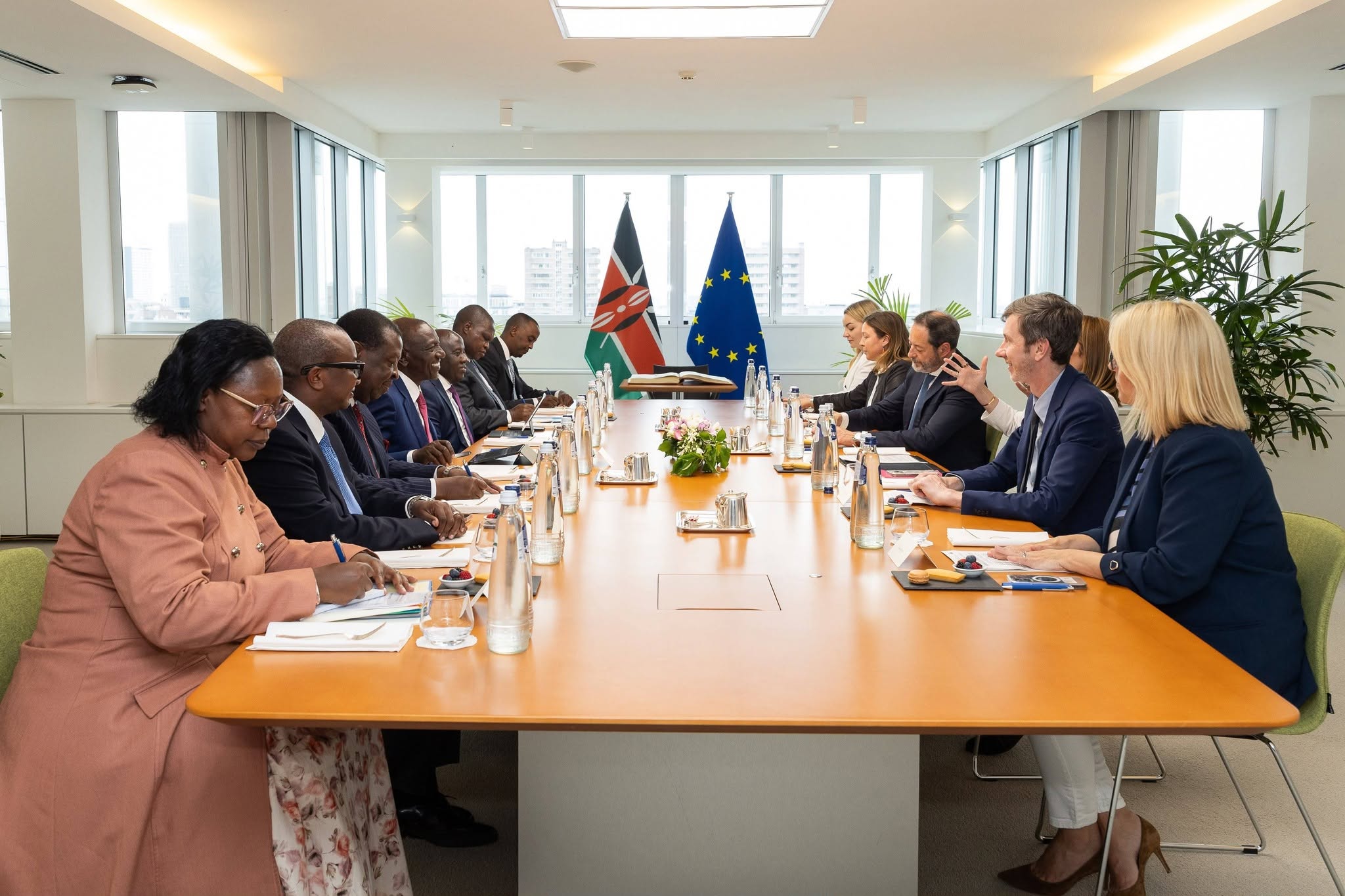
These achievements form the backdrop against which President Ruto is engaging leaders, investors and development partners in Brussels. The discussions are focused on leveraging Kenya’s economic strengths to secure new opportunities in trade, investment, digital innovation and infrastructure development while advancing partnerships that support growth, job creation and improved livelihoods across the country.
Brussels Engagements Open New Frontiers for Trade, Investment and Digital Innovation
President Ruto’s engagements in Brussels have delivered important outcomes that strengthen Kenya’s economic transformation agenda while creating opportunities across technology, trade, investment and enterprise development. The discussions have focused on mobilising resources, expanding market access, strengthening digital infrastructure and positioning Kenya to benefit from emerging opportunities within the global digital economy. The agreements and partnerships secured during the visit are expected to support economic growth, improve competitiveness and create new opportunities for businesses, innovators and workers across the country.
The outcomes of the Brussels engagements demonstrate growing confidence in Kenya’s economic potential and recognition of the country’s role as a leading hub for trade, innovation and investment within Africa.
Key achievements from Brussels include:
- KES 15.3 billion secured to accelerate digital transformation and economic growth
President Ruto secured €102 million, equivalent to approximately KES 15.3 billion, under the European Union Kenya Digital Partnership. The funding will support investments in digital infrastructure, connectivity, innovation and digital public services. Expansion of digital infrastructure strengthens the foundation upon which businesses, educational institutions, government agencies and entrepreneurs operate. Improved connectivity increases efficiency, expands access to markets and enables businesses to adopt technology that improves productivity and competitiveness. The investment is also expected to support job creation within technology related sectors while strengthening Kenya’s position as a leading digital economy in Africa.
- KES 5.6 billion committed towards the Blue Raman cable expansion
The European Union committed €37 million, equivalent to approximately KES 5.6 billion, towards the Africa extension of the Blue Raman submarine cable system. International fibre connectivity plays a critical role in supporting digital commerce, innovation, communication and access to global markets. Increased bandwidth capacity strengthens internet reliability, improves service quality and supports the growth of businesses that depend on digital infrastructure. The project is expected to contribute to reduced connectivity costs, improved access to digital opportunities and enhanced competitiveness for enterprises operating within technology driven sectors.
- Kenya advances towards becoming the first African country to secure European Union data adequacy status
President Ruto advanced discussions on the European Union Kenya Digital Dialogue and the Data Adequacy process. This places Kenya on a path towards becoming the first African country to secure a European Union data adequacy decision. Such a milestone would strengthen international confidence in Kenya’s digital regulatory framework and create opportunities for increased investment in technology, cloud services, business process outsourcing, digital trade and data driven industries. Companies seeking secure and trusted destinations for digital operations place significant value on robust data protection standards. Progress in this area strengthens Kenya’s attractiveness as a destination for high value technology investment and knowledge based industries.
- The Kenya Benelux Chamber of Commerce will strengthen trade and commercial partnerships
President Ruto launched the Kenya Benelux Chamber of Commerce, creating a platform that will deepen commercial relations between Kenya and the Benelux region comprising Belgium, the Netherlands and Luxembourg. The chamber is expected to facilitate stronger business to business engagement, investment promotion and trade cooperation. Kenyan businesses seeking export markets, investment opportunities and strategic partnerships will benefit from greater access to commercial networks within some of Europe’s most important economic centres. Stronger commercial linkages create opportunities for enterprise growth, market expansion and increased participation in international value chains.
- Expanded engagement with Belgium is supporting investment and economic cooperation
Discussions between President Ruto and King Philippe focused on strengthening trade and investment relations between Kenya and Belgium. Enhanced cooperation creates opportunities for increased commercial activity across sectors including manufacturing, logistics, renewable energy, technology and agribusiness. Strong economic partnerships support enterprise development, create employment opportunities and facilitate investment that contributes to national development. Increased investor engagement also strengthens opportunities for technology transfer and knowledge exchange that support economic competitiveness.
- Regional transport connectivity remains central to Kenya’s trade ambitions
The discussions advanced support for transport and logistics linkages connecting the Port of Mombasa with the Democratic Republic of the Congo and other regional markets. The Port of Mombasa serves millions of consumers and businesses across Eastern and Central Africa and remains one of the region’s most important trade gateways. Improved transport corridors strengthen movement of goods, support export growth and enhance Kenya’s position as a regional logistics hub. Efficient connectivity creates opportunities for transport operators, logistics providers, manufacturers, exporters and businesses that rely on regional commerce.
- Digital partnerships are creating opportunities for young people and entrepreneurs
Kenya’s digital economy continues to attract investment due to its strong innovation culture, growing technology ecosystem and skilled workforce. The partnerships secured in Brussels are expected to strengthen opportunities for software developers, innovators, data specialists, digital entrepreneurs and technology startups. Increased investment in digital infrastructure and technology ecosystems creates pathways for employment while supporting the development of businesses capable of competing within regional and global markets.
- Technology and innovation are becoming stronger drivers of economic growth
Technology enabled enterprises continue to contribute to economic expansion by creating jobs, improving productivity and introducing innovative solutions across sectors such as agriculture, healthcare, education, financial services and logistics. Increased collaboration with European partners supports innovation, research and technology transfer that strengthen Kenya’s capacity to develop solutions capable of addressing local and international challenges. Growth in innovation driven industries contributes to economic diversification and creates opportunities for high value employment.
- Enhanced market access continues to support enterprise development
Trade partnerships secured through international engagement create opportunities for Kenyan businesses to expand access to new customers and markets. Increased market access supports production growth, strengthens value chains and encourages investment in sectors capable of generating employment and export earnings. Businesses operating in agriculture, manufacturing, technology and services stand to benefit from stronger commercial linkages and expanded opportunities for international trade.
- The Brussels engagements are supporting Kenya’s transition towards a knowledge driven economy
Investment in digital infrastructure, innovation, technology adoption and skills development strengthens the country’s ability to compete within a rapidly changing global economy. Growth in knowledge based industries creates opportunities for highly skilled professionals while supporting productivity across traditional sectors of the economy. Continued investment in technology and innovation strengthens economic resilience and positions Kenya to benefit from future opportunities emerging within the digital age.
Expanded Market Access Is Creating New Opportunities for Farmers, Exporters and Manufacturers
Trade remains one of the most important drivers of economic growth, foreign exchange earnings and employment creation. Kenya’s export sector supports millions of livelihoods through agriculture, manufacturing, logistics, financial services, transportation and enterprise development. President Ruto’s engagements in Brussels have placed significant emphasis on strengthening Kenya’s access to international markets, expanding trade opportunities and ensuring that Kenyan products continue to compete successfully within one of the world’s largest consumer markets.
The European Union remains among Kenya’s most important trading partners and one of the largest destinations for Kenyan exports. Access to European markets supports thousands of businesses and millions of citizens whose livelihoods depend on production, processing, transportation and trade. Stronger commercial relations create opportunities for increased exports, higher production levels and greater investment across sectors that contribute significantly to the country’s economic growth.
Key opportunities emerging from strengthened Kenya European Union trade relations include:
- The Economic Partnership Agreement is supporting long term trade growth
The Kenya European Union Economic Partnership Agreement provides a framework that supports continued access for Kenyan products into European markets while creating certainty for exporters and investors. Businesses require predictable trading arrangements to make long term investment decisions, expand production and enter new markets. The agreement strengthens confidence among producers and exporters by providing a stable environment that supports growth in trade, investment and enterprise development. Increased certainty encourages businesses to invest in value addition, modern production systems and export oriented industries capable of generating employment opportunities and foreign exchange earnings.
- Agricultural exports continue to generate substantial foreign exchange earnings
Agriculture remains one of Kenya’s strongest export sectors and continues to support millions of livelihoods across the country. Tea, coffee, flowers, fruits and vegetables remain highly valued within international markets due to their quality and competitiveness. Export earnings generated through agriculture support farming households, strengthen rural economies and create demand for services provided by transporters, processors, financial institutions and logistics companies. Growth in agricultural exports contributes directly to economic stability while supporting incomes across farming communities.
- Tea exports remain a cornerstone of Kenya’s export economy
Kenya continues to rank among the world’s leading tea exporters, with the sector supporting hundreds of thousands of smallholder farmers and workers. Earnings generated through tea exports contribute significantly to household incomes, county economies and national foreign exchange reserves. Continued access to international markets supports stable demand for Kenyan tea and creates opportunities for greater value addition through packaging, branding and processing. Expansion of value addition activities increases economic returns while creating additional employment opportunities within tea producing regions.
- The horticulture sector continues to create jobs and drive export growth
Kenya’s horticulture industry remains one of the country’s largest sources of export earnings and employment. The sector supports producers, packhouses, exporters, freight operators, logistics providers and numerous service industries whose activities contribute to economic growth. European markets continue to provide important opportunities for Kenyan flowers, fruits and vegetables. Strong market access supports production growth, sustains employment and encourages investment in quality improvement, technology adoption and expansion of production capacity.
- Coffee sector reforms are supporting higher value opportunities
Kenyan coffee continues to enjoy a strong reputation within international markets due to its quality and unique characteristics. Growing demand for premium coffee products creates opportunities for increased earnings through value addition, direct market access and improved branding. Reforms aimed at strengthening production, improving market efficiency and enhancing farmer returns are supporting growth across the sector. Increased export opportunities contribute to stronger incomes for coffee farmers while stimulating economic activity throughout the value chain.
- Value addition is increasing the economic benefits derived from local production
The Government continues to promote value addition as a strategy for increasing export earnings, supporting industrialization and creating jobs. Processing agricultural products within the country enables Kenya to capture greater value from production while strengthening manufacturing capacity. Investments in agro processing facilities, packaging industries and industrial development create employment opportunities and support enterprise growth. Increased value addition also enhances competitiveness by enabling producers to supply higher value products to international markets.
- Manufactured exports are strengthening Kenya’s industrial competitiveness
Manufacturing continues to play an increasingly important role in export growth and economic diversification. Expansion of manufactured exports supports industrial development by increasing demand for locally produced goods and encouraging investment in production facilities. Growth in manufacturing creates opportunities for skilled and semi skilled workers while strengthening linkages between industry, agriculture, logistics and services. Increased participation in international markets contributes to productivity growth and supports development of competitive industries capable of generating long term economic benefits.
- Export growth supports thousands of small and medium enterprises
Small and medium enterprises participate extensively in supply chains linked to agriculture, manufacturing, logistics and trade. Strong export performance creates opportunities for these businesses to expand operations, increase revenues and access new markets. Participation in export oriented sectors enables enterprises to benefit from growing demand while strengthening their capacity to compete within regional and international markets. Enterprise growth contributes to employment creation and economic development across counties.
- Trade logistics continue to support Kenya’s competitiveness in international markets
Efficient logistics systems remain essential in ensuring products reach consumers in a timely and cost effective manner. Investments in roads, ports, airports, warehousing facilities and digital systems are strengthening Kenya’s trade infrastructure and supporting export growth. Efficient logistics reduce operational costs, improve reliability and strengthen competitiveness across sectors that depend on international trade. Continued improvement of trade infrastructure supports businesses while creating employment opportunities across logistics and transportation industries.
- Expanded market access is creating opportunities across the entire economy
Growth in exports stimulates production, attracts investment and creates demand for goods and services across multiple sectors. Increased trade activity benefits farmers, workers, manufacturers, transport providers, financial institutions and entrepreneurs whose activities contribute to economic growth. Strong export performance also supports foreign exchange earnings that strengthen economic stability and provide resources necessary for continued national development.
Expanded Market Access Is Driving Export Growth, Foreign Exchange Earnings and Opportunities for Millions of Kenyans
Trade remains one of the most important pillars of Kenya’s economy, supporting production, employment, enterprise development and foreign exchange earnings. President Ruto’s engagements in Brussels have placed significant emphasis on strengthening access to international markets, expanding opportunities for Kenyan products and ensuring that businesses continue to benefit from stable and predictable trading relationships. The European Union remains among Kenya’s most important export destinations and continues to provide a high value market for agricultural produce, manufactured goods and value added products originating from Kenya.
The implementation of the Kenya European Union Economic Partnership Agreement is creating greater certainty for exporters while opening opportunities for increased investment in production, processing and value addition. Continued access to international markets strengthens demand for Kenyan products and supports economic activity across agriculture, manufacturing, logistics, financial services and trade related industries.
Key opportunities emerging from strengthened trade relations include:
- The Economic Partnership Agreement is providing certainty for exporters and investors
The Kenya European Union Economic Partnership Agreement guarantees duty free and quota free access for Kenyan exports into the European Union market, one of the world’s largest economic blocs with a population exceeding 450 million people. Stable market access creates confidence among producers, exporters and investors by providing a predictable environment for long term planning and investment. Businesses are better positioned to expand production, modernise operations and explore new export opportunities when they have certainty regarding access to international markets. This strengthens Kenya’s attractiveness as a destination for export oriented investment and supports growth across productive sectors of the economy.
- Tea exports continue to generate billions in earnings and support millions of livelihoods
Kenya exported more than 500 million kilogrammes of tea in 2024, maintaining its position among the world’s leading tea exporting nations. The tea sector supports over 650,000 smallholder farmers and sustains millions of livelihoods through farming, transportation, processing, packaging and trade. Export earnings generated from tea contribute significantly to foreign exchange reserves while supporting household incomes across tea growing counties such as Kericho, Bomet, Nandi, Nyeri, Kirinyaga and Murang’a. Continued access to European and other international markets remains important in sustaining demand and creating opportunities for increased value addition within the sector.
- Horticulture remains one of Kenya’s strongest export success stories
Kenya’s horticulture sector generates more than KES 200 billion annually in export earnings and supports hundreds of thousands of direct and indirect jobs. Flowers, fruits and vegetables produced in Kenya continue to enjoy strong demand within European markets due to their quality and reliability. The sector supports farmers, packhouses, exporters, freight operators, logistics companies and retail supply chains whose activities contribute significantly to economic growth. Strong market access enables continued investment in production, technology, quality assurance and expansion of export capacity.
- Coffee reforms are supporting increased earnings for farmers
Coffee earnings have continued to improve, with the sector generating more than KES 38 billion in recent production cycles. Growing demand for premium coffee products presents opportunities for Kenya to strengthen its position within high value international markets. Reforms aimed at improving market efficiency, increasing transparency and strengthening farmer participation are supporting efforts to increase returns across coffee producing regions. Increased emphasis on branding, quality improvement and value addition is creating opportunities for producers to capture greater value from international trade.
- Agricultural exports continue to strengthen foreign exchange earnings
Agriculture remains one of Kenya’s largest sources of export revenue and supports millions of citizens directly and indirectly. Earnings generated through exports of tea, coffee, flowers, fruits and vegetables contribute significantly to the country’s foreign exchange position while stimulating economic activity across rural and urban areas. Strong export performance supports transport services, financial institutions, processing industries, logistics providers and numerous businesses participating within agricultural value chains.
- Value addition is increasing the benefits derived from local production
The Government continues to prioritise value addition as a strategy for increasing export earnings, strengthening industrialization and creating jobs. Processing agricultural products within Kenya enables producers and manufacturers to capture greater economic value while creating employment opportunities in processing, packaging, branding and distribution. Growth in value added exports strengthens industrial capacity and supports development of competitive industries capable of serving regional and international markets. Increased investment in processing facilities also contributes to technology transfer and skills development.
- Manufactured exports are strengthening Kenya’s industrial competitiveness
Manufactured goods continue to account for a significant share of Kenya’s exports to regional and international markets. Growth in manufactured exports supports expansion of factories, increased demand for raw materials and creation of employment opportunities across industrial value chains. Investment in manufacturing strengthens production capacity and enables businesses to compete more effectively within export markets. Industrial growth also contributes to economic diversification and reduces dependence on primary commodity exports.
- Small and medium enterprises are benefiting from export opportunities
Thousands of small and medium enterprises participate directly and indirectly in supply chains linked to agriculture, manufacturing and export trade. Expanded market access creates opportunities for these enterprises to increase sales, access new customers and strengthen business operations. Participation in export value chains supports enterprise growth while creating employment opportunities and generating income within communities across the country. Small businesses also play an important role in supplying goods and services required by larger export oriented industries.
- Trade logistics continue to support export competitiveness
Efficient logistics systems remain essential in ensuring products reach international markets in a timely and cost effective manner. Investments in roads, airports, ports, warehousing facilities and digital systems are strengthening Kenya’s ability to support growing export volumes. Efficient logistics reduce business costs, improve reliability and enhance competitiveness across sectors that depend on international trade. Continued improvements in logistics infrastructure support businesses while creating employment opportunities across transportation and distribution networks.
- Export growth remains central to economic transformation
Growth in exports stimulates production, attracts investment and creates demand for goods and services across multiple sectors of the economy. Increased export earnings strengthen foreign exchange reserves, support economic stability and create opportunities for businesses to expand operations. Farmers, workers, manufacturers, transport operators, financial institutions and entrepreneurs all benefit from stronger export performance that contributes to economic growth and national prosperity.
Investment Partnerships Are Supporting Industrialization, Housing, Manufacturing and Job Creation
Investment remains one of the most important drivers of economic transformation because it provides the capital, technology, expertise and market linkages required to expand production, modernise infrastructure and create employment opportunities. Kenya continues to attract growing interest from investors seeking opportunities in manufacturing, renewable energy, agribusiness, housing, logistics and technology. President Ruto’s engagements in Brussels have focused on strengthening investor confidence and positioning Kenya as a destination where investment can support industrial growth, enterprise expansion and job creation while contributing directly to the objectives of the Bottom Up Economic Transformation Agenda.
The Government’s focus on increasing production, strengthening value addition and expanding economic opportunities continues to attract attention from investors seeking access to one of Africa’s most dynamic economies and a regional market comprising hundreds of millions of consumers.
Key opportunities emerging from strengthened investment partnerships include:
- Manufacturing continues to play a critical role in economic transformation
Manufacturing contributes approximately 7% of Kenya’s Gross Domestic Product and remains central to efforts aimed at increasing value addition, strengthening industrial production and expanding exports. Increased investment in manufacturing supports establishment of new factories, expansion of existing production facilities and adoption of modern technologies that improve productivity and competitiveness. Growth in manufacturing creates opportunities for engineers, technicians, machine operators, transport providers, suppliers and service providers while strengthening demand for locally produced raw materials. Expansion of industrial activity also supports export growth and increases Kenya’s capacity to compete within regional and international markets.
- Special Economic Zones are attracting investment and industrial development
Special Economic Zones such as Dongo Kundu and Naivasha are creating environments that support manufacturing, logistics, processing and export oriented production. These investment zones provide businesses with access to infrastructure, utilities and logistical advantages that enhance operational efficiency. Growth within Special Economic Zones is expected to attract additional domestic and international investment while creating employment opportunities and strengthening industrial capacity. Increased industrial activity within these zones also stimulates growth in supporting sectors including transport, warehousing, professional services and construction.
- The Affordable Housing Program is generating economic activity across multiple sectors
Housing development has become an important driver of economic growth due to its extensive linkages with manufacturing, construction, transport and professional services. Thousands of housing units are currently under development across the country, creating employment opportunities for engineers, architects, contractors, artisans, suppliers and transport providers. Demand generated through housing construction is supporting local industries producing cement, steel, paint, glass, electrical equipment and other construction materials. Economic activity generated through housing development extends throughout the value chain, creating opportunities for businesses and workers across multiple sectors.
- Infrastructure investment is strengthening productivity and competitiveness
Investment in roads, transport systems, logistics facilities and digital infrastructure is improving connectivity while reducing the cost of doing business. Enhanced infrastructure enables businesses to move goods more efficiently, access markets more effectively and strengthen participation within domestic and international trade networks. Farmers benefit from improved market access while manufacturers gain more efficient supply chains that support production and distribution. Continued infrastructure development also creates employment opportunities through construction, maintenance and associated economic activities.
- Renewable energy leadership is attracting investment into productive sectors
Kenya currently generates more than 3,240 MW of electricity, with renewable energy accounting for more than 90% of total generation. This places the country among global leaders in renewable energy adoption and strengthens its attractiveness to investors seeking sustainable energy destinations. Reliable access to electricity supports manufacturing, agribusiness, digital services and industrial development while enhancing overall economic competitiveness. Continued investment in geothermal, wind, hydro and solar energy strengthens energy security and supports long term economic growth.
- Agribusiness investment is strengthening agricultural value chains
Agriculture continues to support millions of livelihoods while contributing significantly to export earnings and food security. Investment in agribusiness is supporting irrigation, mechanisation, storage, aggregation, processing and logistics systems that improve productivity and strengthen value chains. These investments help reduce post harvest losses, improve market access and create opportunities for farmers to secure improved returns from production. Agribusiness development also supports growth in processing industries that generate employment and increase the value derived from agricultural products.
- Technology investment is creating opportunities within the digital economy
Kenya’s growing reputation as a technology and innovation hub continues to attract investment in financial technology, digital services, artificial intelligence, software development and business process outsourcing. Investment in technology creates opportunities for startups, innovators and entrepreneurs while supporting development of knowledge based industries that generate high value employment. Growth in technology driven sectors strengthens Kenya’s competitiveness while contributing to economic diversification and increased productivity.
- Investor confidence continues to strengthen Kenya’s growth prospects
Investor interest in sectors such as manufacturing, renewable energy, housing, logistics, agribusiness and technology reflects confidence in Kenya’s economic trajectory and long term development prospects. Increased investment supports business expansion, strengthens supply chains and creates employment opportunities across multiple sectors. Strong investor confidence also contributes to technology transfer, innovation and development of industries capable of generating sustainable economic growth.
- County economies are benefiting from increased investment activity
Investment projects are creating opportunities across counties through industrial development, housing construction, agribusiness expansion and infrastructure improvement. Local businesses benefit from increased demand for goods and services while communities gain access to employment opportunities generated by new projects. Economic activity stimulated by investment contributes to income generation, enterprise development and local economic growth across different regions of the country.
- Strategic partnerships are supporting long term economic transformation
The investment partnerships being advanced through President Ruto’s engagements in Brussels support efforts to mobilise capital, attract expertise and strengthen cooperation in sectors that contribute directly to national development. Increased investment creates opportunities for businesses, workers, entrepreneurs and communities while supporting the country’s ambition of building a productive, competitive and inclusive economy.
Strategic Infrastructure and Regional Connectivity Are Expanding Trade, Investment and Economic Opportunities
Infrastructure remains one of the strongest foundations of economic growth because it enables movement of goods, services, people and information across local, regional and international markets. Kenya’s sustained investment in roads, ports, airports, energy systems and digital infrastructure continues to strengthen the country’s position as Eastern Africa’s leading trade and logistics hub. President Ruto’s engagements in Brussels have reinforced efforts aimed at expanding regional connectivity and strengthening infrastructure partnerships that support commerce, industrialization and economic integration.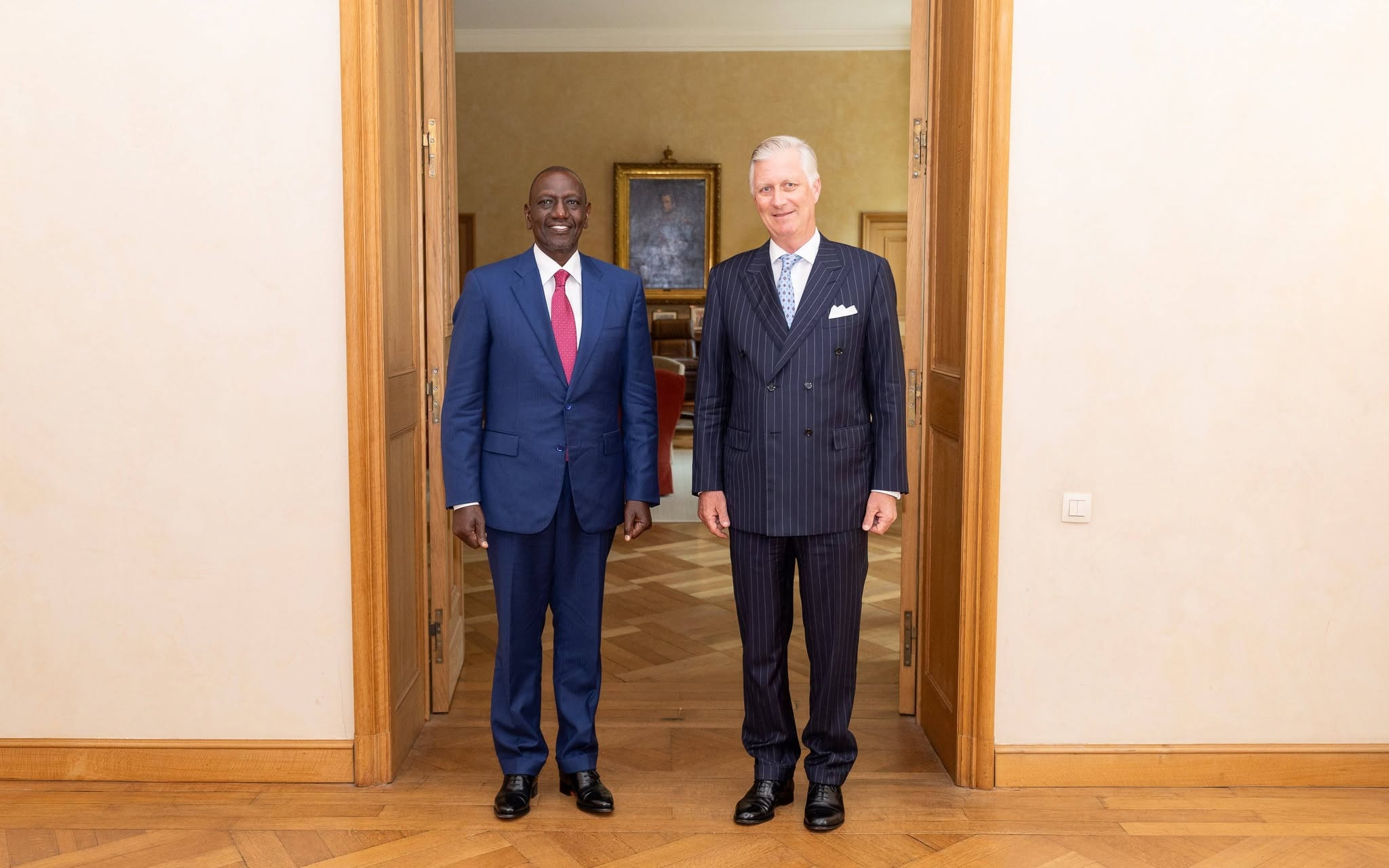
Kenya’s strategic location provides access to regional markets comprising hundreds of millions of consumers across Eastern and Central Africa. Efficient transport and logistics systems are essential in enabling businesses to access these markets, attract investment and expand trade opportunities. Continued investment in connectivity is strengthening supply chains, improving competitiveness and creating economic opportunities across counties and regions throughout the country.
Key developments supporting Kenya’s role as a regional economic gateway include:
- The Port of Mombasa continues to serve as the backbone of regional trade
The Port of Mombasa handled more than 41 million tonnes of cargo in 2024, reinforcing its position as one of Africa’s most important maritime gateways. The port serves Kenya while also providing critical access to international trade for Uganda, Rwanda, South Sudan and eastern Democratic Republic of the Congo. Cargo handled through Mombasa supports manufacturing, agriculture, retail trade, logistics and industrial activity across the region. Continued investment in port efficiency and connectivity is improving cargo movement while strengthening Kenya’s competitiveness as a regional logistics hub. Growth in cargo volumes also creates employment opportunities across shipping, warehousing, transport, clearing and forwarding services.
- The Democratic Republic of the Congo presents one of Africa’s largest market opportunities
Discussions advanced support for transport and logistics linkages connecting the Port of Mombasa to the Democratic Republic of the Congo, a country with a population exceeding 110 million people. Improved connectivity strengthens access to one of Africa’s largest consumer markets while creating opportunities for Kenyan exporters, manufacturers, logistics providers and investors. Increased trade with the Democratic Republic of the Congo supports growth in sectors ranging from agriculture and manufacturing to transport and professional services. Enhanced transport corridors will improve efficiency and strengthen commercial linkages across the region.
- Kenya’s road network is supporting trade and economic integration
Kenya’s road network extends beyond 240,000 kilometres and remains critical in connecting farms, industrial centres, markets, border points and ports. Investments in road infrastructure continue to reduce travel times, improve market access and strengthen movement of goods and services across the country. Improved road connectivity benefits farmers transporting produce, manufacturers moving products to markets and businesses seeking reliable supply chains. Infrastructure improvements also stimulate economic activity within communities located along major transport corridors.
- The Nairobi Expressway demonstrates the economic value of strategic infrastructure investment
The Nairobi Expressway has significantly improved mobility within the Nairobi Metropolitan Area by reducing travel times and improving efficiency for businesses and commuters. Faster movement of goods and people supports productivity while reducing costs associated with traffic congestion. Infrastructure investments of this nature contribute to economic growth by improving efficiency across transport, logistics, commerce and service sectors that depend on reliable mobility.
- Regional logistics services continue to create employment and enterprise opportunities
Growth in trade volumes is increasing demand for logistics services, warehousing, freight forwarding, cargo handling and distribution networks. These sectors support thousands of jobs while creating opportunities for entrepreneurs and businesses involved in transportation and supply chain management. Efficient logistics systems strengthen Kenya’s ability to serve regional markets and support commercial activity across multiple sectors of the economy.
- Air transport connectivity is supporting exports, tourism and investment
Kenya’s aviation sector continues to play a critical role in connecting the country to international markets. Jomo Kenyatta International Airport remains one of Africa’s leading aviation hubs and serves as a gateway for passengers and high value exports destined for global markets. Air transport is particularly important for horticultural exports, which rely on efficient logistics to reach international consumers. Strong aviation connectivity also supports tourism, investment and business travel that contribute to economic growth.
- Tourism growth is strengthening demand across the economy
Kenya welcomed more than 2.4 million international visitors in 2024, generating significant earnings and supporting employment across hospitality, transport, retail trade, entertainment and cultural industries. Improved infrastructure and connectivity continue to strengthen Kenya’s attractiveness as a destination for tourism and investment. Growth in visitor arrivals contributes to foreign exchange earnings while creating opportunities for businesses operating throughout the tourism value chain.
- Digital infrastructure is strengthening competitiveness within a connected global economy
Expansion of fibre connectivity, international bandwidth capacity and digital infrastructure is enabling businesses, institutions and citizens to participate more effectively in the digital economy. Investments such as the Blue Raman cable expansion will further strengthen Kenya’s international connectivity and support growth in digital commerce, innovation and technology driven industries. Improved digital infrastructure contributes to productivity growth while creating opportunities for businesses operating within increasingly connected markets.
- Regional integration is strengthening Kenya’s attractiveness to investors
Investors increasingly view Kenya as a gateway to regional markets due to its strategic location, infrastructure network and strong commercial linkages. Access to regional consumers, transport corridors and trade networks strengthens the country’s attractiveness as a destination for manufacturing, logistics, agribusiness and technology investment. Increased investor confidence contributes to enterprise growth, industrial development and job creation across multiple sectors of the economy.
- Infrastructure development remains central to Kenya’s economic transformation agenda
Strong transport systems, efficient logistics networks, modern ports, reliable energy and digital connectivity provide the foundation upon which trade, investment and industrial growth are built. Continued investment in infrastructure strengthens productivity, improves competitiveness and expands opportunities for businesses and citizens. As Kenya continues to strengthen regional and international connectivity, new opportunities are emerging for exporters, manufacturers, entrepreneurs and communities seeking to participate in a growing and increasingly integrated economy.
Kenya’s Growing Global Influence Is Unlocking New Opportunities for Citizens and Businesses
Kenya’s engagement with international partners is increasingly yielding practical outcomes that support economic growth, strengthen national competitiveness and expand opportunities for citizens. The country’s growing influence in global discussions on trade, climate action, digital transformation, peace and security, sustainable development and investment continues to enhance its ability to attract partnerships that contribute directly to national development priorities. President Ruto’s engagements in Brussels reflect Kenya’s commitment to ensuring that international cooperation translates into tangible benefits for households, businesses, farmers, workers and entrepreneurs across the country.
The country’s strategic location, strong diplomatic relations, expanding infrastructure, renewable energy leadership and growing digital economy have strengthened its position as a trusted partner within the international community. These advantages continue to attract investment, support trade growth and create opportunities that contribute to economic transformation.
Key outcomes of Kenya’s growing international engagement include:
- Kenya continues to strengthen its position as a leading economic hub in Africa
Kenya’s economy remains one of the largest and most diversified in Sub Saharan Africa, supported by strong performance across agriculture, financial services, manufacturing, technology, tourism and logistics. The country’s role as a regional commercial gateway continues to attract multinational companies, investors and development institutions seeking access to Eastern and Central African markets. Increased international engagement strengthens opportunities for businesses operating in Kenya while supporting investment that contributes to employment creation and economic growth.
- Leadership in renewable energy is attracting global attention and investment
More than 90% of Kenya’s electricity generation comes from renewable energy sources, placing the country among global leaders in clean energy adoption. This achievement continues to attract international partners seeking collaboration in sustainable development, green industrialization and climate related investment. Kenya’s renewable energy capacity of more than 3,240 MW provides a strong foundation for industrial growth while supporting efforts to position the country as a destination for environmentally sustainable investment.
- Climate finance opportunities continue to expand
Kenya remains at the forefront of international discussions on climate action and sustainable development. Increased engagement with development partners is creating opportunities to mobilise financing for climate adaptation, renewable energy, environmental conservation and resilience building initiatives. Climate financing supports projects that protect livelihoods, strengthen food security and improve resilience among communities affected by climate related challenges. Access to these resources contributes to sustainable economic development while supporting national environmental goals.
- Kenya’s digital leadership is strengthening its international competitiveness
The country’s progress in digital transformation continues to attract international interest and investment. Expansion of digital infrastructure, innovation ecosystems and technology adoption has strengthened Kenya’s reputation as a leading centre for innovation within Africa. Partnerships secured through international engagement support continued growth in digital services, technology driven industries and innovation based enterprises that create opportunities for young professionals and entrepreneurs.
- International partnerships are supporting skills development and knowledge transfer
Collaboration with international institutions, investors and development partners creates opportunities for training, technology transfer and skills development. Access to knowledge and expertise strengthens workforce competitiveness and supports growth in sectors requiring specialised capabilities. These partnerships contribute to development of a skilled workforce capable of supporting industrialization, innovation and economic diversification.
- Global investor confidence is creating opportunities for enterprise growth
Growing confidence in Kenya’s economic prospects is attracting investors seeking opportunities in manufacturing, renewable energy, technology, agribusiness, logistics and infrastructure development. Increased investment contributes to expansion of businesses, development of new industries and creation of employment opportunities across multiple sectors. Strong investor confidence also supports innovation and technology adoption that improve productivity and competitiveness.
- Young people are benefiting from emerging opportunities within a changing economy
The growth of technology, innovation, manufacturing and service industries is creating new pathways for employment and entrepreneurship. Investments secured through international partnerships support sectors that attract young talent and generate opportunities for enterprise development. Expansion of digital services, business process outsourcing, technology innovation and industrial production continues to create demand for skills that enable young people to participate more effectively in economic growth.
- Kenya’s international engagement is supporting inclusive economic growth
The benefits arising from trade, investment, technology partnerships and infrastructure development extend across counties, communities and sectors of the economy. Farmers gain access to markets, businesses attract investment, workers secure employment opportunities and entrepreneurs access new pathways for growth. Inclusive participation in economic activity strengthens livelihoods while contributing to broader national development objectives.
- Strategic diplomacy is delivering measurable economic outcomes
The outcomes secured through President Ruto’s engagements in Brussels demonstrate the importance of economic diplomacy in advancing national interests. The mobilisation of €102 million under the European Union Kenya Digital Partnership, €37 million for the Blue Raman cable extension, progress towards European Union data adequacy status and the launch of the Kenya Benelux Chamber of Commerce represent concrete achievements capable of generating economic benefits across multiple sectors. These outcomes strengthen Kenya’s ability to attract investment, create jobs and support enterprise development.
- Brussels has reinforced Kenya’s economic transformation agenda
The engagements in Brussels have advanced Kenya’s efforts to secure investment, expand market access, strengthen digital infrastructure and deepen economic cooperation with key international partners. The outcomes support ongoing efforts to increase production, create employment opportunities, strengthen exports and improve competitiveness. Through sustained investment, innovation, infrastructure development and international cooperation, Kenya continues to build an economy that creates opportunities, improves livelihoods and supports shared prosperity for current and future generations.
